Converting a Bathtub into a Shower
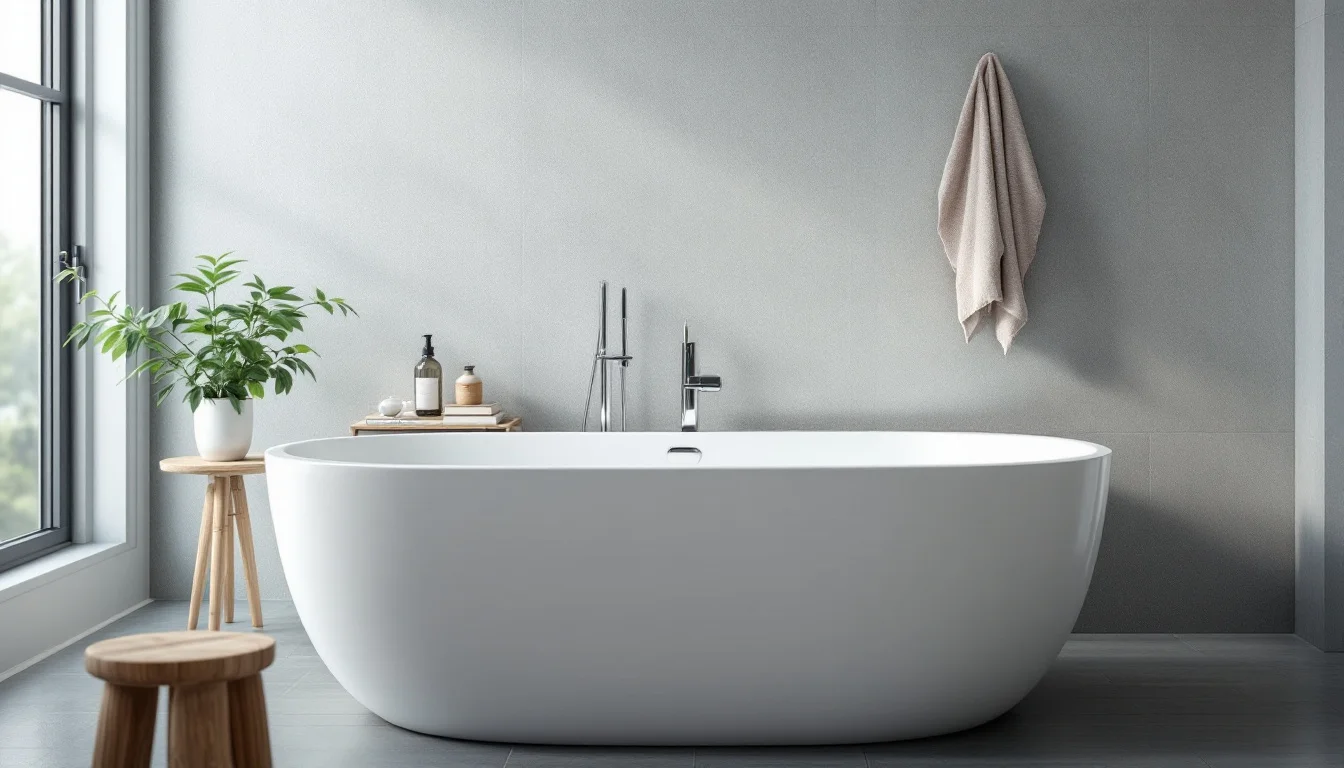
The urge is often hard to resist: taking advantage of a long, rainy weekend to rip out that bulky old bathtub and build a modern, spacious shower with your own two hands. On paper, it sounds like the perfect challenge for any DIY-enthusiast homeowner looking to upgrade their space on a budget. Online tutorials are everywhere, creating the illusion that with a bit of motivation, some tile, and a bead of silicone, this transformation is within anyone's reach.
However, the reality of plumbing work goes far beyond simply laying down tile. Behind the sleek aesthetics of a new bathroom lie unforgiving structural constraints. Tackling your home's plumbing requires serious preparation, because when it comes to waterproofing, there is no room for error. Between hidden screed thickness and outdated pipe diameters, the decision to bust out your own toolbox should be weighed just as heavily with a calculator as it is with a spirit level.
Key takeaways
- Hidden constraints: Recessing a drain requires sufficient screed depth; otherwise, you'll be forced to use ultra-flat models or elevate the entire structure.
- Drainage is crucial: Replacing a bathtub may require upsizing the drain pipe to handle high-flow systems, though a standard 40 mm pipe is often enough for basic setups.
- A sliding-scale budget: Expect to pay around €1,500 for a prefabricated shower cabin, and anywhere from €3,000 to €6,000 for a custom built-in walk-in shower.
The DIY myth: why initial savings are a risky gamble in Belgium
The number one argument for the DIYer is almost always financial. By cutting out the contractor, a homeowner hopes to slash the bill in half. Yet, a deeper dive into the actual costs shows that this logic quickly collides with reality.
Let's crunch the numbers on a standard project. According to data from Trustup, labor typically accounts for 40% to 50% of the total budget for converting a bathtub into a shower, with the remainder going toward materials, fixtures, and plumbing or electrical work. Imagine a project that, if handled by a professional, totals €4,000.
Waterproofing
Going the DIY route strips you of a major safety net when it comes to faulty workmanship.
This protection is paramount in a wet room. If you do the work yourself and your homemade setup springs a leak three years down the line, causing water damage to the ground-floor ceiling, you alone will bear the financial brunt of the repairs.
The technical audit: 3 hidden obstacles beneath your bathtub
Before you even think about buying your first tile, you must assess the technical feasibility of the space. Tearing out an acrylic tub to lay down an ultra-slim shower tray is never a simple one-to-one swap. Here are the three main hurdles that frequently trip up amateur projects.
1. Screed depth
The dream of a seamless, walk-in shower very often clashes with the slab's existing architecture. Recessing a classic floor drain usually requires a screed depth of about 10 to 12 cm, though there are now ultra-flat drains and shallow channels that can bypass this issue. In many bathrooms—especially those on upper floors or in older buildings—there simply isn't enough depth clearance for standard hardware.
If the floor can't accommodate your chosen infrastructure, a new base must be poured. This additional screed work tacks on an extra €200 to €500. For the DIYer, this often means having to elevate the shower pan by building a step, completely ruining the minimalist aesthetic they originally aimed for.
2. Flow rate and pipe diameter
The second trap lies in the drainage. Old bathtubs are highly forgiving of slow drainage because they act as a retention basin. A modern shower, particularly one outfitted with a high-flow rain head, won't tolerate any backups. A walk-in shower with a demanding linear drain sometimes requires a 50 mm waste pipe, even though many standard showers run perfectly fine on the usual 40 mm.
Keeping undersized pipes paired with powerful new fixtures puts your bathroom at risk of overflowing the moment the drain gets even slightly clogged. Upsizing this pipe diameter involves modifying the plumbing circuit all the way to the main soil stack—a complex operation for any novice.
3. The condition of the pipes
Finally, tearing open the walls can sometimes reveal nasty surprises. Connecting new water lines to an aging network requires specialized know-how. If the supply and drainage pipes are in good condition, adapting the plumbing will cost between €200 and €400.
On the other hand, discovering dilapidated lead or galvanized steel pipes that need replacing will add €400 to €800 to the bill.
Splicing modern multi-layer piping onto corroded steel requires specific fittings and a mastery of soldering that few amateurs possess, making a plumber's intervention absolutely essential.
Budget and shower types: what the market dictates
Understanding market prices helps to set realistic expectations. Budgets vary drastically depending on the desired level of integration into the room and the chosen finishes.
The three main layout options
- The quick fix: The most accessible option remains the standalone unit. A prefabricated, all-in-one shower cabin (including the tray, walls, and often the fixtures) starts at €1,500, installation included, and can usually be fitted in a single day. This is a pragmatic choice for quickly renovating a rental property or a guest bathroom.
- The functional upgrade: If the goal is to future-proof the home, the requirements shift. The budget for a senior/mobility-friendly walk-in shower (featuring a folding seat, grab bars, slip-resistant flooring, a thermostatic mixer, and a zero or low-threshold entry) ranges from €2,500 to €5,500. This price point is driven by the cost of medical-grade equipment designed to withstand heavy loads.
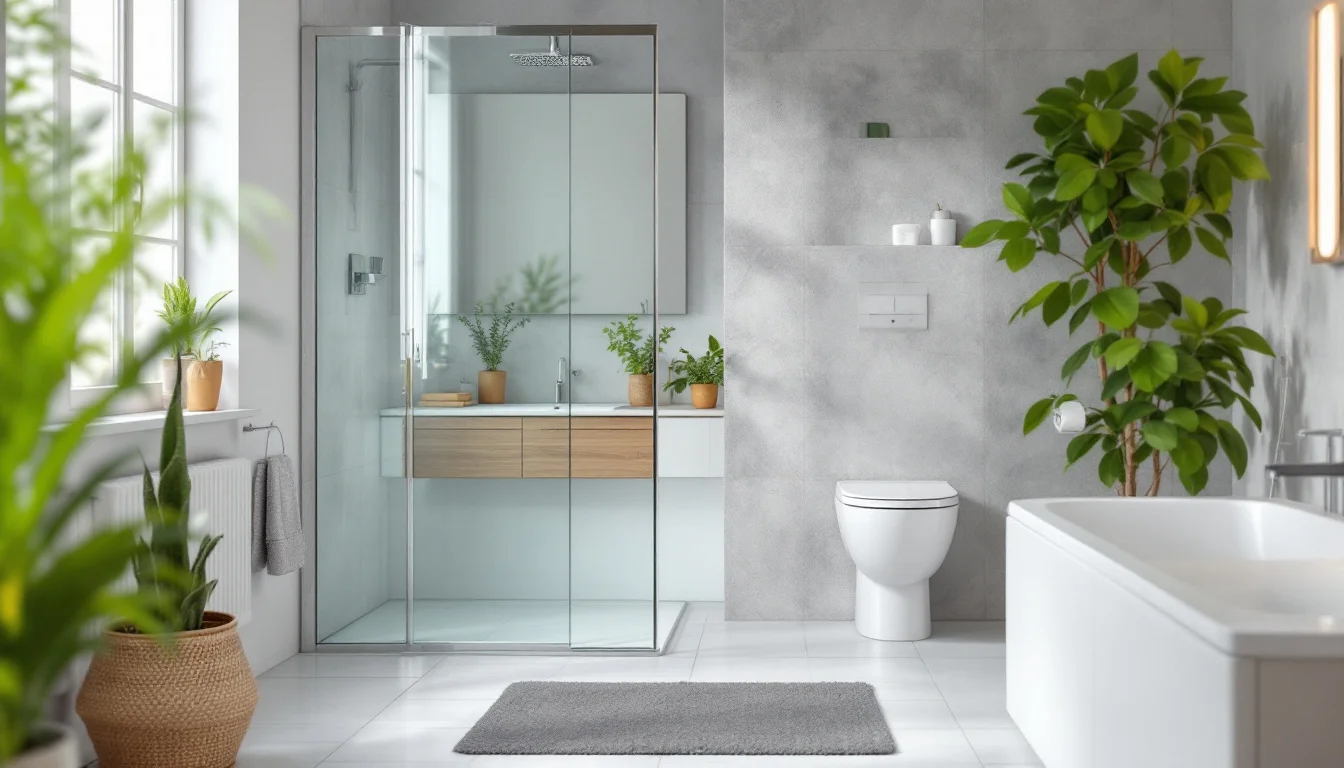
- The custom masonry aesthetic: The most technically demanding option requires more resources. Replacing a tub with a true walk-in Italian shower (including a recessed tray, complex waterproofing membranes, and floor-to-ceiling tiling) will set you back between €3,000 and €6,000. Here, it is the meticulous underlying waterproofing and the time-intensive tile installation that drive up the bill.
The geography of pricing in Belgium
Where you live also significantly impacts the final quote. The Brussels region shows labor rates that are 10% to 20% higher than in Wallonia. In Flanders, prices tend to sit at the higher end of the spectrum, with rates comparable to those in Brussels for work done in major urban centers.
Conclusion: A transition that anticipates the future
Replacing a bathtub with a shower is rarely just about chasing a fleeting design trend. It is a major structural overhaul that impacts the very integrity of the building when it comes to water management. By looking past the illusion of a quick and cheap DIY project, it becomes clear that investing in professional expertise provides a crucial safety net against waterproofing failures, ultimately preserving the health of your walls and floors.
Beyond technical peace of mind, this renovation choice reflects a long-term vision for your home. Adapting your bathroom today is the best way to ensure your living space remains accessible for decades to come.