Two-Tone Zoning: Create Volume in Your Living Room Without Remodeling
It is becoming increasingly difficult to physically alter our living spaces. On one hand, remote work and evolving lifestyles are pushing homeowners to rethink their home's spatial layout. On the other hand, embarking on major structural work, such as knocking down load-bearing walls or rethinking masonry, is hitting an increasingly restrictive financial wall. Regional incentives that once supported these major renovations have significantly dwindled, forcing households to find more accessible alternatives.
The end of major structural renovation grants in Flanders
The landscape for renovation grants has shifted in Flanders (while Wallonia and Brussels apply different systems). The Flemish demolition and reconstruction grant has been permanently abolished. At the same time, support has refocused on specific, targeted interventions. Under the Mijn VerbouwPremie scheme, grants for specific installations like heat pumps are capped at a maximum of 20% of the invoice amount (excluding VAT) for owner-occupiers in income category 1 and other residential investors. For owner-occupiers in income category 2, this specific cap is set at a maximum of 25% of the invoice.
The burden of structural renovation constraints
Beyond the purely financial aspect, altering room volumes through masonry involves significant constraints. Faced with these budgetary and structural limitations, visually pushing back the walls with paint emerges as a strong alternative. A simple paintbrush becomes a practical tool to redefine the perception of a living room without touching the original architecture or compromising the building's structure.
Two-tone zoning: how to visually enlarge a narrow living room
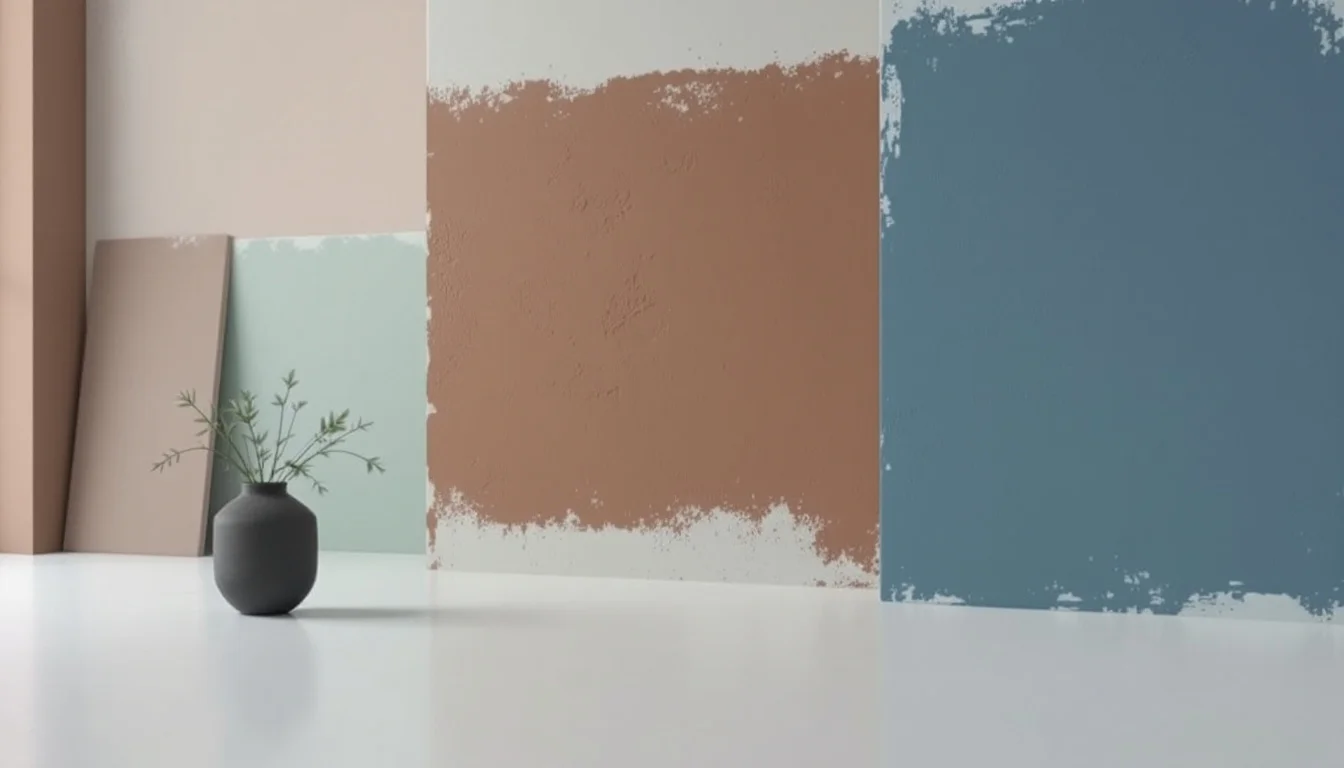
Altering spatial perception without demolition tools relies on specific visual principles. Pairing an architectural need with a specific chromatic intervention helps structure the room. A thematic article by the specialists at Monsieur Peinture actually lists the 9 possible effects of paint on a room's volume. This approach demonstrates that a dark shade applied in the right place absorbs light, while a light shade opens up the space.
The specialized blog by the brand Eléonore Déco also confirms the effectiveness of this method when it comes to playing with a room's volume using paint. Here are some approaches to restructuring your living room:
Which color should you use to visually lower ceilings that are too high?
In certain townhouses or renovated industrial buildings, high ceilings can make a room feel cold. Applying a dark color to the ceiling, combined with light-colored walls, slightly compresses the upper space to make it feel more encompassing and cozy.
How do you widen a narrow space by playing with depth?
If your living room feels like a hallway, the trick is to paint the back wall in a deeper shade than the side walls. The eye is immediately drawn to this contrast, which visually shortens the overall length while giving the illusion that the side walls are pushing outward.
How do you ground the room with a painted lower wall?
Painting the lower half of a wall is ideal for setting up a reading nook or television area. Applying a contrasting color to the lower section creates a visual anchor. Specialists point out that the accent wall remains highly relevant today: far from being limited to just a sharp pop of color, it allows you to play with trims, finishing techniques, and the zoning of specific areas. The accent wall no longer has to cover an entire surface; it becomes a colored block that defines the space without requiring a physical partition.
Textured paint: how to add character to your living room walls
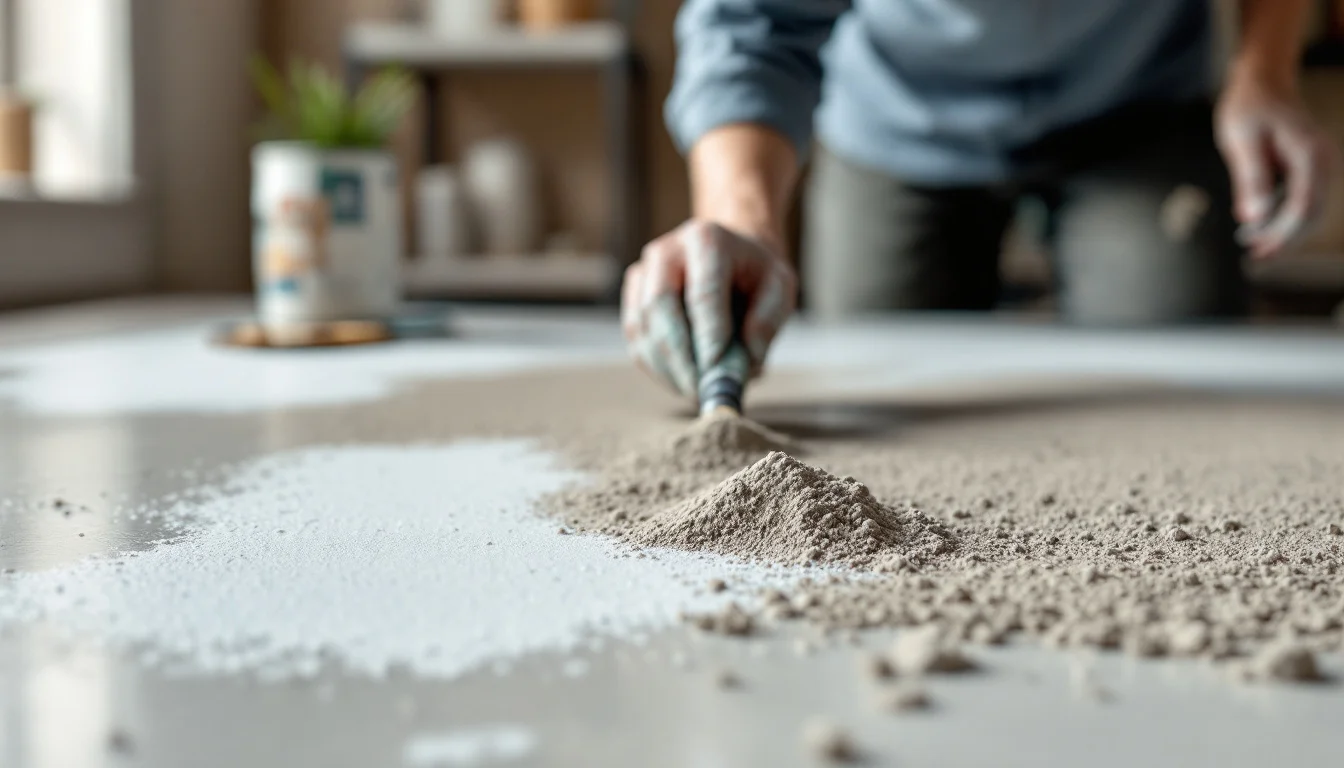
Zoning a space by combining two colors gains depth when you introduce the dimension of touch and texture. Replacing complex decorative plaster, brick facing, or wood paneling with a simple application of textured paint reduces implementation time while mimicking high-end finishes.
The impact of textured finishes
The flatness of a standard wall can sometimes lack dimension, even when painted in a bold color. To give living room walls real character, color experts suggest explicitly using grainy, textured paint as a decorative technique. This particular material catches natural light irregularly, creating subtle shadows that shift throughout the day.
Combining effects in the same living room
Using smooth paint for the base color and a textured finish for the accent wall or lower half accentuates the visual separation of volumes. In fact, specialized retailers outline three contemporary ways to use paint and color to create a living room that exudes conviviality. These approaches are based on the premise that the options for painting a living room are now endless:
- The matte/textured contrast: apply a solid matte shade on the main walls and the exact same shade in a sandy finish on the accent wall.
- The textured color block: define a geometric zone around a fireplace using thick mineral paint.
- The painted arch: soften the harsh angles of a boxy room by painting an arch that mimics a wall alcove, enhanced by a rough material that replicates natural clay.
Which shades work best for a lounge-style living room?
Structuring volumes only works if the chosen palette matches the desired atmosphere. Current trends are moving away from harsh contrasts (like clinical black and white) in favor of soft color pairings designed to transform the living room into a true sanctuary.
Inspiration from organic hues
Color specialists now favor nature-inspired hues. According to their recommendations, southern earth tones are particularly effective for bringing warmth and a summery vibe into a living room. Three color combinations allow you to blend them harmoniously, avoiding the risk of making the living space too dark.
Color duos to structure without saturating
The pairing of two shades should allow the eye to wander freely. Here is how to apply southern earth tones in a two-tone scheme:
- Terracotta and linen: a light base (linen or warm beige) throughout the room, energized by a terracotta accent wall to visually pull a distant wall closer.
- Ochre and off-white: an ochre lower wall that grounds the furniture, topped with a slightly pigmented white to maximize light reflection on the ceiling.
- Olive green and sand: vertical zoning in olive green to carve out a home office space within the living room, blending into a soothing sandy environment.
Choosing colors is not just about pure aesthetics. Experts maintain that choosing the right colors for a living room helps create a relaxing and calm atmosphere where you can happily spend hours.
DIY support: ensuring success for your painting project in Belgium
Painting your living room yourself is the best way to save on labor costs, but choosing the two shades that will define the volumes should not be left to chance. The room's natural light (whether north- or south-facing) drastically alters how a color looks from the in-store swatch to the finished wall.
Resources to help you decide
To ensure that two-tone zoning will work under your living room's specific lighting, you can lean on professionals without actually hiring them to do the work. The Belgian retailer Colora, for instance, offers an in-home color consultation service while selling paints from the Belgian brand BOSS paints. This kind of support allows you to validate your optical illusion project on-site, taking into account reflections from existing furniture and the exact size of your windows.
Maintaining creative independence
Despite the usefulness of technical advice for calibrating contrasts or choosing the intensity of a textured paint, the homeowner remains in charge of the project. Creating a living room that reflects your personality ultimately comes down to personal choice, as professionals point out. The goal of DIY is to truly own your interior: outside advice helps guide the technical side, but the final execution (taping off zones, applying the coats) belongs to the person who will live in this newly remodeled space every day.
Conclusion
Faced with tight budgets, a paintbrush proves to be an excellent option for modulating space. Two-tone paint and textured finishes prove that it is possible to visually sculpt an interior without ever picking up a sledgehammer. However, it is worth remembering that paint does not create actual square footage, and its effect always relies on the room's natural light. This reversible, DIY-friendly approach redefines the role of color, taking it beyond mere surface decoration to become a modular solution capable of adapting to the future evolutions of your home.