Renovating Your Kitchen Without Replacing the Cabinets
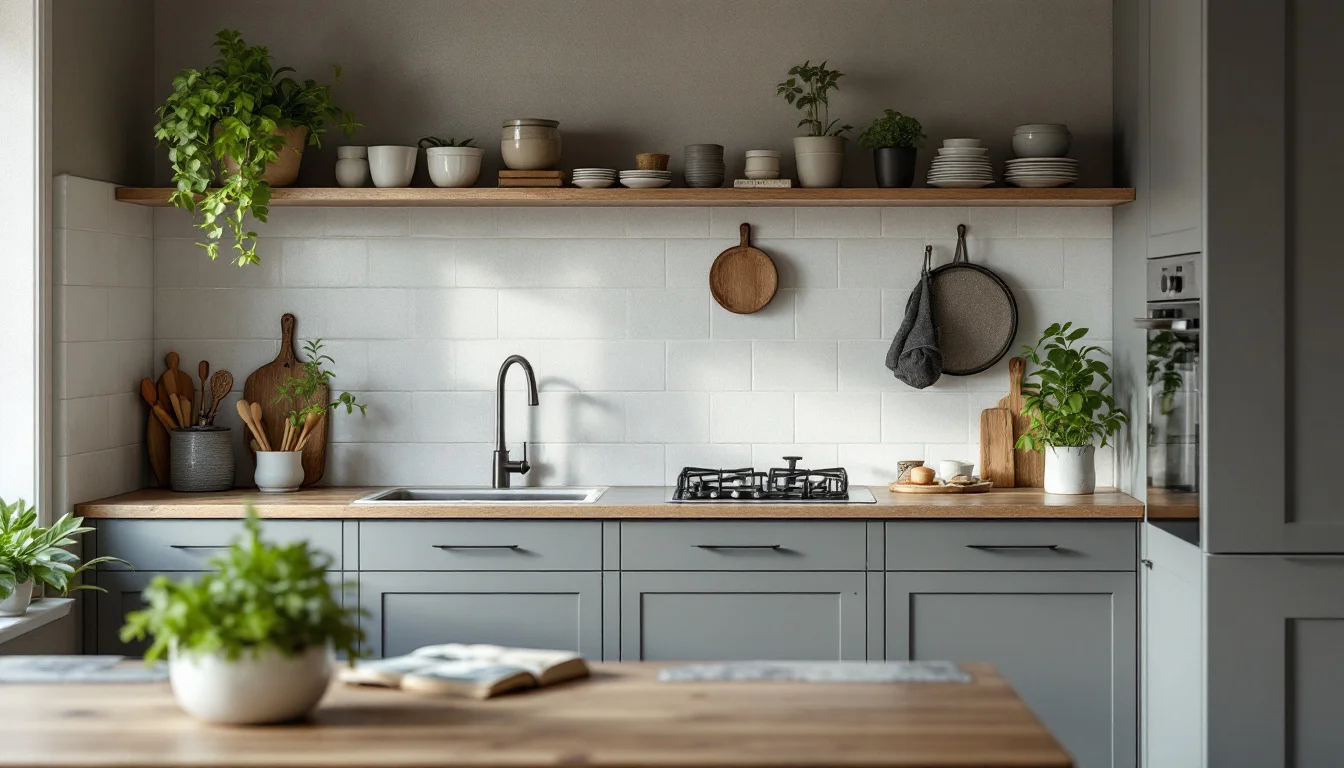
Soaring construction material costs call for a highly calculated approach to interior design. Faced with astronomical quotes from carpenters and kitchen specialists, ripping out a fully functional setup is now a strategic misstep. The internal structure of kitchen cabinets, typically made of moisture-resistant particleboard, boasts a lifespan that far outlasts fleeting design trends. Trashing perfectly good units simply because the cabinet doors are the wrong color is an ecological and financial blunder.
Kitchen renovations in Belgium are increasingly shifting toward a hybrid approach. The strategy is simple: give existing cabinetry a cosmetic facelift to free up your budget for other upgrades. For instance, optimizing domestic hot water production is now highly incentivized by new regional grants. Retaining your kitchen's original framework serves as the foundation for a comprehensive remodel, seamlessly blending energy efficiency and safety with a striking visual update.
Key Takeaways
- Preserving the framework: Keeping existing cabinets allows you to bypass the surging costs of raw materials and new furniture.
- Cosmetic makeovers: Paint or adhesive films can completely transform the kitchen's aesthetic without the need for heavy demolition.
- Energy upgrades: Renovation projects can incorporate the replacement of energy-draining appliances, backed by regional grants.
- Safety and contingencies: Every renovation requires a financial safety net and extreme caution before altering a building's structural integrity.
Choosing the Right Finishes to Modernize Your Cabinets and Countertops
Updating the visible shell of your kitchen is often the most dramatic stage of the project. If the current layout still works for you, focus your efforts on the doors, drawers, and countertops.
How to Paint Kitchen Cabinets
When looking to refresh cabinets without investing in an entirely new kitchen, painting the existing doors is often touted as a "simple, effective, and accessible" solution. However, this method requires meticulous preparation: thorough degreasing, light sanding, and the application of an adhesion primer suited for smooth surfaces (like melamine) before laying down the final coat. The main advantage is the incredibly low cost of materials, allowing eager DIYers to take full ownership of the end result.
Can You Cover a Countertop with Adhesive Film?
For a more industrial look or complex textures (like faux wood grain, marble, or concrete), adhesive wraps are rapidly gaining traction. At the Belgian company Coverful, decorative adhesive films are applied directly onto existing surfaces—cabinets and countertops included—allowing you to revamp the kitchen without replacing it. This technique is usually performed on-site without systematically dismantling the cabinets, completely masking the old surface underneath. Being able to wrap the countertop also means avoiding the complex removal of the sink and stovetop, which limits the risk of collateral damage to your backsplash.
How to Upgrade Your Cabinet Hardware
Finishing details can profoundly alter how a space's volume is perceived. Swapping out cabinet handles and knobs transforms a kitchen's style in no time at all. You can even eliminate hardware entirely by retrofitting your existing cabinets with push-to-open systems. These spring-loaded mechanisms slip into hinges or screw onto the cabinet frame, delivering a sleek, modern, handle-free look for a negligible investment in tools.
Budgeting and Prioritizing Your Renovation Work
The success of any project lies in striking the right balance between what you do yourself and what you outsource. Industry professionals note that an adhesive film kitchen remodel costs significantly less than a traditional tear-out renovation. While this estimate should always be confirmed with custom quotes, it clearly illustrates the economic potential of a surface makeover.
Handy homeowners can drive down costs by tackling certain jobs themselves, such as painting or laying tile. For technical tasks like plumbing and electrical work, however, you must factor in the cost of hiring qualified professionals.
A three-dimensional assessment helps structure these decisions:
| Decision Criteria | DIY Makeover (Paint/Tile) | Professional Adhesive Wrap | Technical Upgrades (Pro) |
|---|---|---|---|
| Budget Impact | Very low (materials only) | Medium (specialized labor) | High (heavy materials, hourly rates) |
| Expertise Required | Patience and meticulousness | Technical skill (application and thermoforming) | Advanced technical skills |
| Disruption | Lengthy (drying times) | Very low (dry workspace) | Moderate to high (water/power shutoffs) |
This matrix shows that leaving surface work to a professional—or opting for a fast, affordable cosmetic fix—frees up capital for the crucial trades where safety leaves absolutely no room for improvisation.
Grants for Thermodynamic Water Heaters in Flanders
The kitchen is often home to major energy consumers, starting with domestic hot water production.
New Flemish Financial Incentives
Recent reforms in Flanders actively encourage the energy transition. Currently, a €450 grant is available for the installation of a thermodynamic water heater. This subsidy provides an identical base amount for owner-occupants in income brackets 1 and 2, as well as other residential investors, and serves as the baseline grant for apartment buildings. Note that investors in non-residential properties are no longer eligible for this incentive.
Limits and Calculations
It is crucial to factor these caps into your financial planning. For grant applications, the subsidy is capped at a maximum of 20% of the invoice amount for income bracket 1 owner-occupants and other residential investors, and at a maximum of 25% for income bracket 2 owner-occupants (amounts calculated excluding VAT). The savings you make by keeping your existing cabinets can therefore help bankroll a certified plumber, guaranteeing a safe and compliant installation.
Transforming Your Kitchen on a Budget Using Lighting
How a kitchen space is perceived depends less on the materials themselves and more on how they are illuminated and highlighted. Dark shadows cast under upper cabinets often leave countertops looking gloomy and cramped.
The Impact of Targeted Lighting
Installing under-cabinet lighting to illuminate countertops is an inexpensive project that adds a touch of inspiration without inflating your renovation budget. Integrating sleek LED strip lights underneath the upper cabinets instantly eliminates cast shadows. This tweak, which requires only basic DIY skills to hide the transformers above the units, completely alters the room's mood as soon as the sun goes down.
Managing the Unexpected
Even when limiting heavy construction, cosmetic overhauls can still hold surprises. Ripping out an old tile backsplash might tear down the underlying plaster, demanding a complete skim coat of the wall before any new paint can be applied. To handle these hiccups, it is highly recommended to set aside roughly 20% of your total kitchen renovation budget as a safety net for unforeseen expenses. This buffer prevents mid-project standstills and ensures a professional level of finish, even if you run into wall or wiring complications.
Handling Structural Modifications
It is quite common for a simple aesthetic refresh to spark grander ambitions. But thinking you can knock down the partition wall between the kitchen and the living room yourself to create an open-plan island is a serious mistake.
As soon as a renovation touches upon the building's stability (such as a load-bearing wall or structural supports), bringing in an architect is absolutely mandatory. Attempting to open up a facade or remove a load-bearing wall under the guise of a "makeover" exposes the homeowner to major risks that threaten the structural integrity of the entire building.
Frequently Asked Questions (FAQ): Securing Your Kitchen Makeover
Do adhesive films withstand kitchen heat sources? Yes, provided you choose the right technical grade. Professionals highlight the use of heat-resistant films designed specifically for cabinet doors, backsplashes, and woodwork additions. This ensures they can be safely applied near stovetops without the risk of shrinking, peeling, or warping.
I am a renter. Can I change the knobs or modify the cabinet doors? Removing the handles is entirely reversible. You simply need to store the original hardware in a box so you can reinstall it at the end of your lease. However, painting the cabinet fronts or applying an adhesive wrap requires written consent from your landlord, as these interventions permanently alter the furniture's original condition.
Conclusion: Thinking of the Kitchen as a Modular System
Decoupling the visual shell from the structural base marks a major evolution in home improvement. This approach allows homeowners to keep up with aesthetic trends without generating massive amounts of waste.